The Frosty Filing Cabinet: A Boston Family’s November-to-January Plan for Summer Music Camps

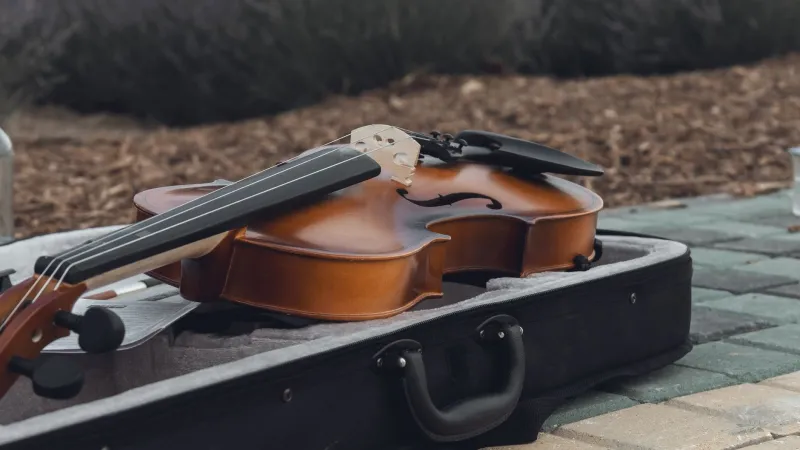
Photo by Photo by Tim Mossholder on Unsplash on Unsplash
On a raw November morning, summer can feel like a rumor. The instrument case is cold, the practice log is half-hearted, and the last thing a Boston family wants to think about is July. But summer music programs do not wait for the thaw. Many audition-tape deadlines, financial aid forms, and early-bird deposits land between December and early February. Families who start now are not being obsessive; they are avoiding the spring scramble that turns a fun opportunity into a logistics emergency.
This is a planning guide, not a pressure campaign. The goal is a short list, a few honest conversations, and a calendar that leaves room for a kid to still be a kid. Summer 2027 will arrive whether or not anyone books it in November.
Start with the right category, not the biggest name
Boston has a wide range of summer music options: day camps at community music centers, school-run band and orchestra camps, youth orchestra summer sessions, choral intensives, jazz workshops, rock camps, and residential programs farther out in the suburbs. They are not interchangeable. A rising seventh grader who wants to play in a section may thrive at an ensemble-focused program. A teenager who wants to write songs may be miserable at a conservatory-style intensive. A beginner may need a half-day camp with a lot of instrument switching and very little audition pressure.
Before collecting brochures, ask your child one question: what would make a summer music week feel good? More playing, more friends, more freedom, more challenge, or simply more time with the instrument without homework breathing down their neck? The answer narrows the list faster than any ranking.
The November move: build a short list, not a spreadsheet
Pick three to six programs. Include at least one local day option and one stretch option. Look at community music centers in Boston, Cambridge, Brookline, and Somerville, local school music departments, and youth orchestra organizations such as Boston Youth Symphony Orchestras. Check camp fairs and open houses, which often appear in January and February but are announced earlier. Save the program dates, ages, instrument requirements, audition requirements, and contact email in one place. Then send a short note to each program asking when the 2027 application opens and whether there is a waitlist. You are not committing to anything. You are learning the calendar.
This is also the moment to ask about instrument needs. Does the program provide percussion, tubas, bass amps, or keyboard setups? If your child plays an unusual instrument, ask early. A great camp can become a bad week if the only available drum kit is missing a throne.
December: audition tapes and the living-room studio
Many youth orchestra summer sessions and intensive workshops ask for a video audition. Some want scales and a solo; others want a short excerpt and a brief statement. Read the requirements twice. Then record earlier than feels necessary. December is full of school concerts, holiday gigs, and end-of-term fatigue. Waiting until January 2 to set up a phone camera is how families end up filming a tired student in a dark hallway.
The recording does not need to be cinematic. A well-lit room, a clean background, and clear audio matter more than fancy editing. Ask the private teacher for a ten-minute check before submission. If a program requires accompaniment or a specific excerpt, confirm the details in writing. And keep a backup copy of every file. Upload links expire, and email attachments have a way of disappearing at the worst possible moment.
The deposit schedule nobody prints clearly
Summer program costs are rarely just tuition. There may be a registration fee, a deposit, a payment plan, a materials fee, a lunch plan, and a separate charge for aftercare or transportation. Ask for the full payment schedule before you celebrate an acceptance. A nonrefundable deposit is a real commitment, especially if you are holding a spot while waiting to hear from another program. Find out the refund policy, the waitlist policy, and whether a deposit can be transferred to a sibling or a different session.
Boston families should also factor in the unglamorous stuff: commuting, parking, camp drop-off windows, and whether a program ends before a working parent can get across the city. A free camp that requires three hours of daily driving is not actually free.
Financial aid: ask before the acceptance letter
Do not assume aid is only for families in extreme need. Many community music centers and youth programs offer scholarships, sliding-scale fees, sibling discounts, or instrument loans. The catch is that aid deadlines often come earlier than general application deadlines. Gather tax documents and any required forms in December. Ask directly what the process looks like and whether an audition is required for aid consideration. A polite email in November can save a family from discovering a closed aid window in March.
January: the questions to ask before you commit
Once acceptances and invoices arrive, slow down. Ask about daily schedule, ensemble placement, staff-to-student ratios, practice expectations, and what happens if a student is placed in a group that feels too easy or too hard. For overnight programs, ask about supervision, homesickness policies, phone rules, and roommate requests. For day programs, ask about drop-off, pick-up, lunch, allergies, and accessibility. If the program involves travel or a final concert, confirm the dates now. Summer calendars fill up fast, and a final performance on a family vacation week is a special kind of heartbreak.
A simple Boston timeline
November: make a short list and email programs. December: record audition tapes and gather financial aid documents. Early January: submit applications and aid forms. Late January and February: ask deposit and refund questions, attend camp fairs, and compare schedules. March: commit only when the full cost and daily logistics are clear. That is not a rigid rule, just a sane rhythm.
The thaw will come. By then, the goal is not to have every week of summer planned. It is to have a few good choices made calmly, with the instrument still in its case and the family calendar still under control.