The Loaner Closet Key: How Boston Families Borrow Band Instruments Without the Buyer’s Remorse
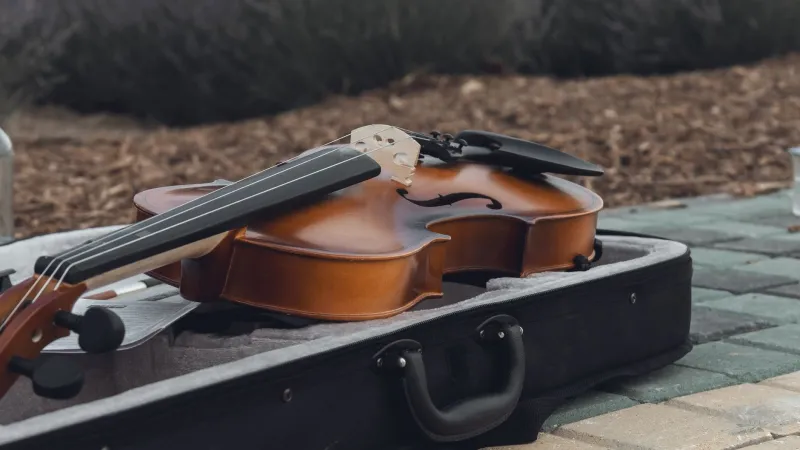
Every fall, a certain kind of Boston parent makes the same optimistic stop at a music store. They leave with a shiny case, a payment plan, and a child who has promised—solemnly—to practice every single day. By January, the case is under the bed and the payment plan is still very much alive.
There is another way, and it does not involve a credit check. Across Boston and its neighboring towns, instrument loaner closets, school-owned collections, and community lending programs quietly put playable horns, strings, and percussion into the hands of beginners. The catch is that borrowing is not shopping. It is a small relationship with rules, waitlists, and return dates. Treat it well, and your family can test-drive an instrument without the buyer’s remorse.
Why a Loaner Makes Sense First
A borrowed instrument is not a lesser instrument. It is a lower-stakes beginning. Maybe your seventh grader has never held a clarinet. Maybe your first grader wants to try violin but has also wanted to be a paleontologist, a goalie, and a baker in the last six months. Maybe your family has a saxophone-sized question mark in the budget.
Borrowing gives you information. You learn whether the child likes the sound, the feel, and the weekly lesson routine. You learn whether the instrument fits in the car, the apartment, and the family schedule. You learn whether the school ensemble is a good social fit. Those answers are worth more than a brand name on a bell.
It also buys time for the grown-ups. Boston families can spend a lot on lessons, transit, sheet music, and repairs. A loaner does not erase those costs, but it delays the big purchase until you know the interest is real.
Where the Instruments Actually Live
There is no single Boston instrument-lending headquarters. The system is a patchwork, which is both the good news and the annoying news. Start with the people closest to your child’s music life: the school music teacher, the district performing arts office, and the community music school where lessons happen.
Many Boston-area schools keep a loaner closet for band and orchestra students. Some are stocked with district-owned instruments; others are supported by parent groups or local donations. Availability varies wildly from building to building. A school in Roxbury may have a waiting list for cellos while a school in West Roxbury has an extra trumpet. Ask specifically what is on hand this month, not what the program offered five years ago.
Public libraries are another entry point, though not every branch lends instruments. Some Boston-area library systems have added ukuleles, keyboards, or small string instruments to their collections. Call the branch before you haul the family across town. Ask whether the instrument checks out like a book, whether it must stay in the building, and whether there is a borrower age requirement.
Community organizations fill in the gaps. Youth music programs, settlement houses, arts councils, and faith-based groups sometimes maintain lending collections for enrolled students. So do some private teachers, who may keep a beginner violin or flute on hand for students who are not ready to buy. The common thread is that these instruments are meant to remove a barrier, not to furnish a forever collection.
Waitlists, Eligibility, and the Paperwork
Loaner programs are not first-come, first-served vending machines. Most have a process, and the process is where families get surprised.
Ask these questions before you count on an instrument:
- Who is eligible? Enrollment in a school ensemble or lesson program is often required.
- Is there a residency rule? Some programs serve one city or district; others serve anyone who can get to the site.
- How does the waitlist work? Is it by date, by instrument, by age, or by financial need?
- Is there a deposit or rental fee? Many school loaners are free or low-cost, but some require a refundable deposit or a small maintenance fee.
- How long can we keep it? A semester, a school year, or until the instrument is needed by another student?
- What happens if it breaks? Is there a repair fund, or is the family responsible?
Paperwork is usually modest: a loan agreement, a contact form, maybe proof of enrollment. Read the return date. Read the damage policy. If a program asks you to insure the instrument, ask what that actually means in practice. A borrowed tuba is not a borrowed paperback.
What “Good Condition” Really Means
A loaner instrument should be playable, not pretty. Cosmetic scratches are normal. A stuck valve, a cracked bow, or a pad that whistles like a tea kettle is not. Before you leave the building, do a five-minute check with the person handing it over.
For band instruments, press every key and valve. Check that the mouthpiece is present and fits. For strings, look at the bridge, the pegs, and the bow hair. For brass, pull the slides if you can and listen for air leaks. For percussion, confirm that the practice pad or sticks are included. Open the case and make sure the latches work. Ask when the instrument was last serviced.
If something is wrong, say so before you sign. A program would much rather swap a horn than discover the problem in March.
The Care Rules That Keep the Loan Alive
Borrowed instruments have a way of teaching responsibility faster than a lecture. The rules are simple, but they matter.
Keep the instrument out of extreme temperatures. Do not leave it in a car overnight, even in Boston’s mild months. Wood and brass do not enjoy dramatic swings. Keep it away from radiators, sunny windows, and damp basements. Swab the inside of wind instruments after playing. Grease corks when they dry out. Loosen the bow after violin practice. Do not attempt home repairs with kitchen tools, no matter how confident a YouTube video makes you feel.
Label the case with your family’s name and phone number. Keep the loan paperwork in a folder, not in the case pocket where it will become confetti. If something breaks, report it early. A small repair is cheaper than a replaced instrument, and programs appreciate honesty more than silence.
Borrow, Rent, or Buy? A Decision Framework
Borrowing is not always the right answer. It is the right answer when the commitment is uncertain, the budget is tight, or the student is still growing into the instrument. A loaner is also smart when the school requires a specific instrument that your family does not own.
Renting makes sense when you want a reliable instrument with maintenance included and a clear path to purchase. Music shops often apply part of the rental fee toward a future buy. That can be a good deal for a family that is fairly sure the student will stick with it.
Buying makes sense when the student has played for a while, the instrument size is stable, and you have a repair plan. A used instrument from a reputable shop can be a fine value. A cheap online instrument can become an expensive lesson in why setup matters.
One more option: borrow first, then rent, then buy. It is not a failure to move slowly. It is a sequence.
The Return Conversation
When the loan ends, clean the instrument, gather the accessories, and return it on time. If your child has outgrown the program or changed instruments, say so. Programs need accurate inventory to help the next family.
And if the loaner worked? Great. You now know more than you did in September. You know the instrument, the teacher, the practice rhythm, and the real cost of keeping it going. That is a much better place to buy from than the glow of a music store showroom.
In Boston, the borrowed beginner is not a second-class musician. They are a smart one. The loaner closet is not a shortcut around commitment. It is a way to find out whether commitment is there.