The Score Doesn't Have to Cost a Score: A Boston Musician’s Guide to Affordable Print Music
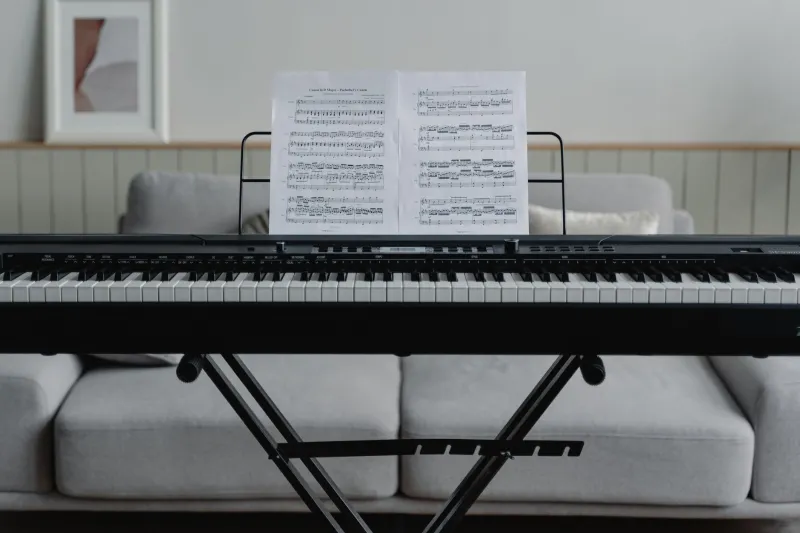
There’s a quiet milestone in every music student’s life when the method book stops being enough. The exercises are fine, but the student wants a real piece—something with a title, a mood, and maybe a little drama in the final line. That’s when the sheet music bill can start to creep up. A single piece here, an arrangement there, a holiday book in November, and suddenly the music shelf looks expensive.
In Boston, it doesn’t have to work that way. Between library score collections, teacher lending shelves, community swaps, local print shops, and a few well-chosen digital subscriptions, families can build a serious repertoire without paying retail for every page. The trick is knowing the order to shop in—and learning how to avoid buying the same piece twice.
Start With the Library Card You Already Have
The Boston Public Library is the obvious first stop, and not just for novels. The Central Library in Copley Square has an arts department with circulating scores, including classical repertoire, vocal music, chamber parts, and popular arrangements. Branch libraries and the Minuteman Library Network widen the map considerably; Cambridge and Somerville cardholders have their own systems with useful music sections. If a score isn’t on the shelf, ask about interlibrary loan. Librarians are genuinely good at this kind of hunt.
A few practical notes: library scores are for borrowing, not for keeping, and photocopying copyrighted music is still a copyright issue even when the copier is in a library. Use the library to test-drive a piece, learn a movement, or compare editions before you buy. That alone can save a family a surprising amount over a semester.
The Teacher’s Shelf Is a Real Resource
Many Boston-area teachers keep a lending library for students—urtext editions they no longer use, ensemble folders from past years, pieces that fit a specific level. Ask directly whether your teacher has a studio shelf, and ask what the borrowing rules are. Some teachers lend freely; others prefer a deposit or a return-by date. Either way, it’s cheaper than buying blind.
This is also where a teacher can save you from a bad purchase. A good teacher can look at a title and tell you whether the arrangement is faithful, whether the fingering is sensible, and whether the piece is actually at your level. That five-minute conversation is worth more than a discount code.
Swaps, Sales, and the Community Table
Boston’s music community runs on hand-me-downs. Community music schools, church choir rooms, youth orchestra parent groups, and neighborhood listservs often host music swaps or accept donated scores. Keep an eye on bulletin boards in Allston, Jamaica Plain, Somerville, and Cambridge. Parent Facebook groups and school music departments are also good places to ask. A simple post—looking for intermediate piano repertoire, happy to trade—can turn up a grocery bag of books.
When you swap, check the edition before you commit. A free copy of a heavily marked-up method book is not a bargain if the markings fight your teacher’s instructions. And if you’re passing music along, be honest about condition and missing pages.
The Print-Shop Route: Cheap Copies, Careful Choices
For public-domain music, printing is a legitimate budget tool. IMSLP has a deep catalog of historical editions, and composer websites sometimes offer free PDFs. A local print shop—there are good options around Allston, Cambridge, and Somerville—can print and bind a clean copy for far less than a retail score. Ask for double-sided printing and a simple staple or coil binding. For a few dollars, you get a usable working copy you can mark up without guilt.
Be careful with copyright. Public domain depends on the composer, the edition, and the country. A modern arrangement of an old tune is still protected. When in doubt, use the library, buy the edition, or ask your teacher. The savings aren’t worth an awkward copyright problem.
Digital Subscriptions: When Paying Makes Sense
Digital sheet music has gotten genuinely good. Services like Musicnotes and Sheet Music Direct sell single pieces, while subscription platforms offer catalogs for a monthly fee. For a student who burns through repertoire quickly, a subscription can be cheaper than buying three or four pieces a month. For a family with one casual player, single purchases usually win.
Before subscribing, check whether the service offers printable PDFs, transposable keys, and offline access. A subscription that only works in an app is less useful when the Wi-Fi drops during practice. Also look for teacher or studio plans if you’re sharing with a sibling or a whole household.
How to Judge an Edition Before You Commit
The cheapest score is not always the best value. Look at the editor, the publisher, and the first page. Is the fingering printed or left blank? Is the text clean? Does the arrangement preserve the melody, or does it simplify the piece into something unrecognizable? For classical repertoire, an urtext edition may cost more but last for years. For pop arrangements, check whether the key and range actually fit the singer or instrumentalist.
A quick rule: if the cover says “easy” but the first page has three ledger lines and a key signature with five sharps, put it back.
Keep a Repertoire Ledger
This is the unglamorous habit that saves the most money. Keep a running list—notes app, spreadsheet, index card taped inside the piano bench—of every piece you own or borrow. Include title, composer, arranger, key, level, and where it came from. Before you buy, check the list. Before you swap, check the list. Before you print, check the list.
Boston’s music scene is generous, but it’s also scattered. A little record-keeping keeps you from paying twice for the same sonatina.
A Simple Buying Order for 2026
Start with the library. Then ask your teacher. Then check swaps and community boards. Then print public-domain editions. Then buy a single digital piece if you need it now. Save retail for the scores you know you’ll keep. That order won’t eliminate every music expense, but it will keep the shelf growing without the bill growing quite so fast.