The Handoff Hours: Boston After-School Music Programs That Work Between School and Supper
At 2:45 on a Tuesday in Boston, the city does not politely pause for your family calendar. Elementary students spill out of school, middle-schoolers head for the bus, and somewhere between dismissal and dinner there is a 90-minute to three-hour gap that has to be filled with something supervised, affordable, and ideally musical.
After-school music can be the best part of a kid’s week. It can also become a second job for whichever adult is doing pickup. The difference is rarely the quality of the ensemble. It is the handoff.
This is not a ranking of programs. It is a field guide to the four kinds of after-school music most Boston families end up choosing between, and a checklist for figuring out whether the schedule actually works before you pay a semester deposit.
Start With the Handoff, Not the Curriculum
A youth jazz band might have a terrific director and a perfect repertoire list. If rehearsal starts at 4:00 and school lets out at 2:30 across town, your child is either waiting unsupervised or you are burning an afternoon of work to bridge the gap.
Boston Public Schools dismissal times vary by school and grade, and after-school program start times vary just as much. Before you fall in love with a syllabus, map the actual route: walking distance, MBTA lines, school late-bus availability, and whether the program has a supervised bridge from dismissal. Some community centers run van pickup from nearby schools. Some don’t. Some school-site programs simply begin in the cafeteria ten minutes after the bell. That ten minutes is worth more than a glossy brochure.
Four Kinds of After-School Music, and What Each Does Well
Community-center ensembles
Boston Centers for Youth & Families sites, YMCA branches, and Boys & Girls Clubs often run group music blocks: bucket drumming, chorus, beginner guitar, sometimes a small rock band. These programs tend to be strong on supervision and social mix, and many post sliding-scale fees or scholarships. Instrument storage varies wildly. Ask whether there is a locked closet, a labeled shelf, or a “bring it home every day” policy that will test your family’s memory.
Church and parish choir programs
Many Boston parishes and neighborhood churches run weekly children’s choirs or youth music groups that are free or low-cost. The built-in advantage is simple: no instrument to carry, a set weekly rehearsal, and a performance calendar that gives kids a reason to show up. The tradeoff is that the repertoire and setting are religious. That is fine for many families and not fine for others. Ask about the time commitment, the age mix, and whether the choir year includes extra services during the holidays.
Neighborhood lesson co-ops
These are the small, word-of-mouth operations: a teaching studio that runs a group beginner class, a parent-organized lesson swap, a church basement with three teachers sharing rent. They can offer excellent instruction at a lower price than private lessons, but they are not daycare. Supervision before and after class may be minimal, and pickup can be a scramble. These work best for families with a flexible adult nearby or a carpool crew.
School-site band classes
When a Boston school partners with a music organization to run band or strings on campus, the logistics are hard to beat. Your child stays in the building, instrument storage is often a closet or cubby, and the walk to rehearsal is a hallway. The catch is capacity. These programs fill fast, and not every school has one. If your school does, treat the sign-up date like a concert ticket drop.
The Real Cost of “Affordable”
Tuition is only the first number. Add instrument rental, reeds, strings, method books, a music stand, concert tickets, and the snack your child will need between school and rehearsal. Add late-pickup fees if your job does not bend. Add the cost of a missed bus or a rushed rideshare.
In 2026, Boston families are rightly skeptical of the word “affordable.” Ask directly: Do you have a sliding scale? Is there a scholarship application? Can we pay monthly? Is there a sibling discount? Many programs do not advertise these options, but many also do not want to turn away a committed family. The question is not rude. It is budgeting.
The Checklist Before You Commit to a Semester
- Dismissal-to-start gap: How long is it, who supervises it, and is there a written plan?
- Return trip: Does the program end before dark in winter? Is there a safe walk, a bus, or a pickup line that does not require double-parking on a narrow street?
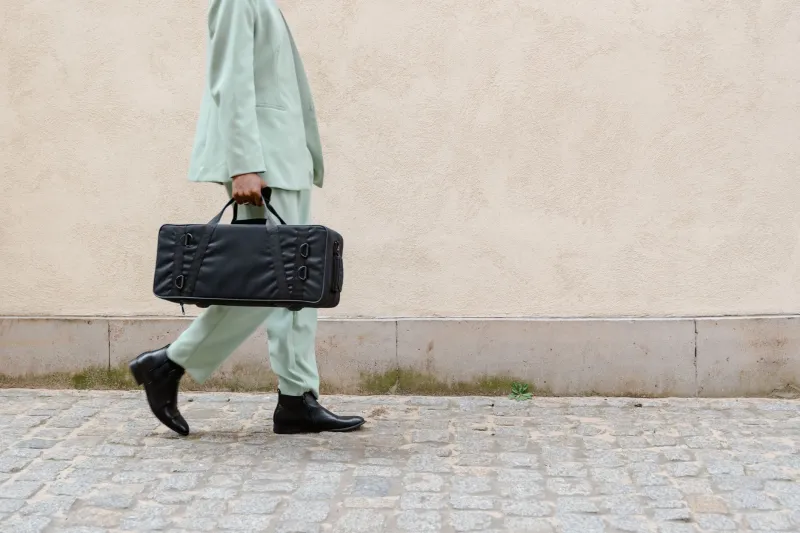
- Instrument storage: Is there a locker, shelf, or closet? Is it climate-controlled enough for a violin or clarinet? Who has keys?
- Calendar match: Does the semester collide with school vacations, religious holidays, or your family’s other activities?
- Communication: Will you get a weekly email, a text thread, or nothing until the concert?
- Trial period: Can your child attend one rehearsal before you pay in full?
- Emergency pickup: Who do you call if rehearsal is canceled and you are across town?
- Peer fit: Is the group mostly beginners, mostly teens, or a wide mix? A great program can still be the wrong room.
Green Lights and Red Flags
Green lights: a named site coordinator, a written pickup policy, instrument lockers, a posted scholarship process, and a willingness to let you observe a rehearsal. Red flags: vague answers about supervision, no storage plan, a fee schedule that appears only after you commit, and a commute that depends on a single adult never being late.
A Sample Week That Does Not Collapse
One workable pattern: school-site band on Monday and Wednesday, community-center chorus on Tuesday, a neighborhood group lesson on Thursday, and Friday open. That leaves one weekday free for homework, rest, or the inevitable sick day. The goal is not to fill every gap. It is to build a week your family can repeat without resentment.
The Bottom Line
The 3-to-6 stretch is not a problem you solve once in September. It is a weekly handoff. Choose the program that makes the handoff boring: clear start times, supervised waiting, sane pickup, and a place for the instrument to live. The music will take care of the rest.