The Audition Goes Both Ways: A Boston Family's Checklist for Choosing a Music Teacher
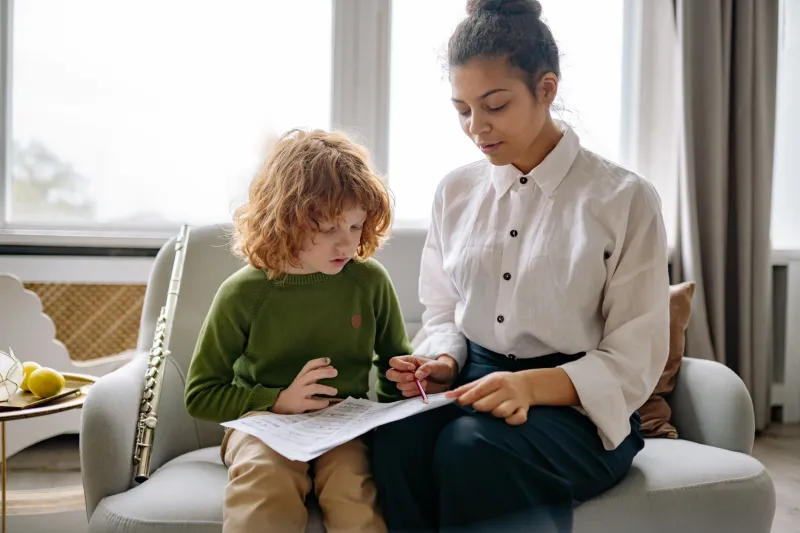
Private music lessons are a big commitment for any Boston family—weekly drives, instrument costs, and the delicate art of getting a kid to practice before dinner. But the first decision is the teacher. A great performer is not automatically a great teacher, and a warm vibe in the first lesson is not a curriculum. Before you put down a deposit or commit to a semester, treat the conversation like an audition in both directions.
Whether you are in Jamaica Plain, Dorchester, East Boston, or Allston, the questions below work for private teachers, storefront studios, and community music schools. Ask them in person if you can. Bring your student. Take notes. A good teacher will welcome the scrutiny.
Start with the teaching, not the trophy wall
1. What does a typical lesson look like for a student like mine? You want specifics: warm-up, technique, repertoire, listening, and a little theory folded in. Ask how much time is spent playing versus talking. For young beginners, ask how the teacher keeps momentum without turning the lesson into a lecture.
2. How do you adapt when a student is stuck or bored? This is pedagogy in plain clothes. Listen for concrete strategies—changing repertoire, slowing down, adding rhythm games, switching to a different style, or breaking a skill into smaller pieces. If the answer is just 'they need to practice more,' keep asking.
3. How do you set practice expectations at home? A good teacher should give you a realistic weekly plan, not a vague command to practice. Ask how they communicate assignments and whether they use a notebook, app, or shared document. For busy Boston families, ask what a minimum effective practice week looks like.
4. How do you choose repertoire? Does the student get any say? Will the teacher mix classical, pop, jazz, or folk according to the student's goals? A balanced answer includes technique and joy. A rigid answer may still be fine, but you should know what you are signing up for.
Ask about the calendar and the wallet
5. What is your makeup policy for missed lessons? Boston weather, school concerts, and stomach bugs happen. Ask about cancellations by the family, cancellations by the teacher, snow days, and online backup lessons. Get the policy in writing. 'We will figure it out' is friendly, but it is not a plan.
6. What are the total costs, not just the tuition? Ask about registration fees, materials, books, instrument rentals, accompaniment fees, recital fees, and any charge for accompaniment rehearsals. If the teacher expects a specific method book or app, price it. Then compare the all-in monthly cost, not just the per-lesson rate.
7. Is there a trial period or a sample lesson? A paid trial lesson is a reasonable way to test fit. Ask what happens if the fit is wrong after a month. Is there a refund, a credit, or a clean break? A studio that cannot explain its exit ramp is a studio that has not thought about families.
8. What performance opportunities do you offer? Recitals are nice, but they are not the only goal. Ask about studio classes, ensemble nights, adjudicated events, jam sessions, or community performances. If your student wants to play with others, ask how the teacher connects them to Boston's youth orchestras, rock schools, or community ensembles.
Safety, communication, and the long game
9. How do you handle drop-off, pickup, and supervision? For in-home lessons, ask about background checks and who else will be present. At a studio, ask where parents wait and whether siblings can sit quietly. For online lessons, ask about platform, recording, and privacy. These are boring questions until they are not.
10. How will you tell me what is actually happening? Weekly notes, monthly check-ins, a shared practice log—pick a system. Ask how the teacher handles concerns from parents and students. You want a teacher who communicates before a problem becomes a semester-long mystery.
11. What is your experience with students like mine? This covers age, level, learning differences, anxiety, audition prep, and adult beginners. No teacher is right for everyone. The question is whether they have seen your kind of student before and whether they can explain how they would adjust.
12. What happens if it is not working? Sometimes the teacher is fine and the fit is wrong. Ask how the teacher handles a change of teacher within a studio, a pause for a school play, or a shift from weekly lessons to every other week. A clear answer here tells you a lot about the studio's maturity.
Red flags that warrant a pause
Be cautious if a teacher will not answer basic policy questions before you pay, promises rapid results without knowing your student, or makes you feel pushy for asking about fees and makeup lessons. Also watch for a studio that has no written cancellation policy, no plan for supervision of minors, or no interest in what the student actually wants to play. None of these are automatic dealbreakers on their own, but together they are a pattern.
How to compare options across Boston
Distance matters more than families expect. A teacher who is a 35-minute drive from Roslindale may be perfect on paper and impossible on a Tuesday. Compare door-to-door time, T access, parking, and whether there is a waiting area for siblings. Ask about lesson length: 30 minutes can work for a young beginner, but 45 or 60 minutes may be better for a teen preparing for auditions. Finally, trust the trial lesson. You are not looking for a best friend. You are looking for a clear teacher who respects your time, your money, and your student's curiosity.