Try Before You Tune: A Boston Family’s Guide to Instrument Test Drives
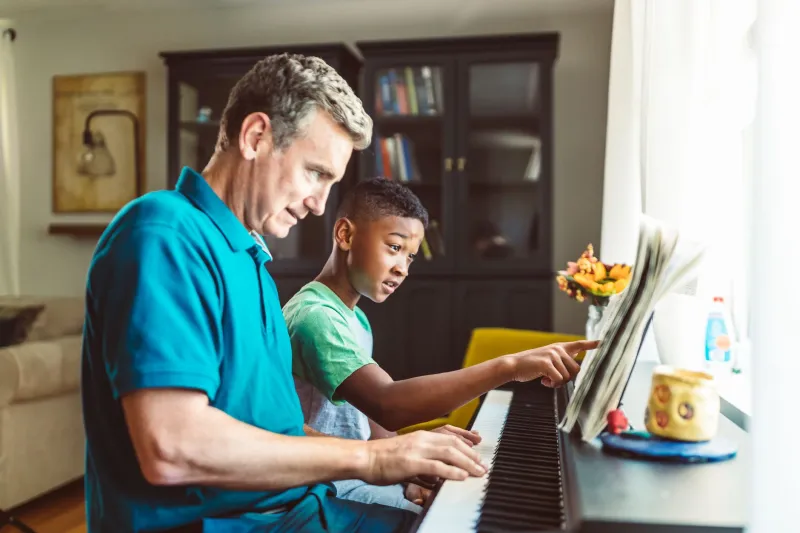
Starting music lessons is a little like buying shoes for a growing kid: the label size helps, but the fit is what matters. In Boston, families have an unusually wide set of chances to check that fit before committing to weekly lessons, a semester tuition bill, or a rental contract. Open houses, rental tryout appointments, and sample group classes are all built for the same job — let the instrument answer back before you sign on the dotted line.
As of November 2026, many Boston-area programs run fall and winter open houses, and local music shops continue to offer short-term rentals with tryout windows. The trick is knowing what to look for, what to ask, and when to walk away.
Why a test drive beats a blind leap
A child who says they want to play drums may discover, five minutes into a lesson, that the noise and coordination feel overwhelming. A teenager who dreams of guitar may click with ukulele first because the chords come faster. Adults have the same issue: the instrument that sounds gorgeous on a recording can feel awkward in the hands.
A test drive solves a practical problem. It lets a family check three things at once: physical fit, interest level, and the weekly rhythm of lessons and practice. Boston is dense with community music schools, conservatory-prep programs, and neighborhood studios, so you can usually find a low-stakes way to sample before you commit.
Where Boston families can sample instruments
The exact calendar changes by season, so always confirm details directly. Still, these are the reliable categories to watch.
- Community music school open houses. Schools in Jamaica Plain, Dorchester, Roxbury, and around Fenway often host instrument petting zoos, faculty demos, and short sample lessons. These are especially good for younger kids who need to touch and hear an instrument before choosing.
- Rental shop tryout programs. Local music retailers and lesson studios may offer short-term rentals, in-store tryout appointments, or rent-to-own credit. Ask whether the first month’s rental can be applied to a purchase if you decide to buy.
- Sample group classes. Many Boston-area studios run beginner ukulele, violin, drum, or voice workshops designed as one-off sessions. A single group class can reveal whether your kid likes the instrument or just likes the idea of being in a band.
- Library and community center events. Boston Public Library branches and neighborhood community centers occasionally host music demos, instrument showcases, and family concerts. These are often free and low-pressure.
- School and youth program showcases. If your child is already in a school music program, ask whether instruments can be borrowed or tested before the formal sign-up window closes.
Match age, interest, and budget without overthinking it
There is no perfect instrument for every age, but there are useful starting points. Kids ages five to seven often do well with violin, piano, ukulele, or a small hand drum because the instruments come in smaller sizes and reward early coordination. Kids eight and up may have the breath support and hand size for flute, clarinet, trumpet, or saxophone. Teens often gravitate toward guitar, bass, drums, or voice, but the best match is usually the one they will actually practice.
Budget matters just as much as enthusiasm. A rental violin may cost less upfront than a new digital piano, but strings, reeds, maintenance, and lesson frequency add up. Before you commit, price out the first three months, not just the first week.
The parent-friendly checklist
Use this before you sign anything:
- Bring the student to the tryout, not just the parent. Fit is personal.
- Try at least two instruments if the student is undecided. Comparison builds confidence.
- Ask about instrument sizing, especially for violin, viola, cello, and guitar.
- Confirm what the rental includes: insurance, maintenance, strings, reeds, and case.
- Ask whether the school offers a trial lesson or a short introductory session.
- Watch how the teacher talks to your child. Rapport matters more than a fancy brochure.
- Check the practice space at home. Drums and brass need more tolerance from the household than ukulele or keyboard.
- Plan a six- to eight-week trial before buying an expensive instrument.
Questions to ask before you commit
A good music school will welcome these questions. A vague answer is a warning sign.
- What happens if my child wants to switch instruments after four weeks?
- Do you offer a trial lesson, and is the fee applied to tuition if we enroll?
- What size instrument do you recommend, and do you have it available to rent?
- What is included in the rental cost, and what repairs or maintenance are extra?
- How much practice is expected each week, and how do you support beginners?
- Are lessons private, group, or a mix, and what is the makeup policy for missed classes?
- Will my child have a low-pressure performance opportunity in the first six months?
- Are teachers background-checked, and what is the drop-off and pickup policy for younger students?
- What is the total cost for the first three months, including registration fees and materials?
A low-stakes way to start
The best first instrument is not always the one that looks coolest online. It is the one a student will pick up on a Tuesday night without being nagged. Boston makes that easier than most cities because families can test, rent, and sample before committing. Take advantage of the open houses, ask the practical questions, and give yourselves permission to try something and change course. A test drive is not indecision. It is how you find the instrument that sticks.
At Make Music Boston, we think the smartest path into lessons is a curious one: try first, tune later, and let the first small win do the convincing.